Exploring the World of Mahjong
Mahjong is a traditional Chinese game that has gained international fame for its strategic depth and intricate gameplay. Though its origins date back over a century, Mahjong remains a popular pastime, attracting a diverse audience across the globe. This ancient game has spawned numerous variations, reflecting the rich cultural fabric of the regions in which it has embedded itself. In recent years, digital adaptations have brought Mahjong to a new generation of players, including platforms like the 777.FUN platform-online Slots Brasil #1.
The Origins of Mahjong
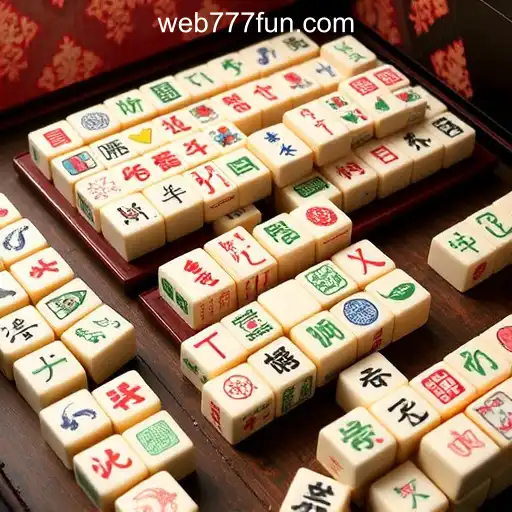
Originating in China during the Qing dynasty, Mahjong is believed to have been developed from various card and domino games prevalent at the time. Early versions of Mahjong were likely pursued by scholars and the elite, evolving gradually into the familiar structure recognized today. The game is played with a set of 144 tiles featuring Chinese symbols and characters, with players drawing and discarding tiles to complete specific hands.
Basic Structure and Gameplay
A traditional Mahjong set consists of three main suits: bamboo, characters, and circles. Each suit contains tiles numbered one to nine. Additionally, there are honor tiles, which include winds (east, south, west, and north) and dragons (red, green, and white). Players aim to create a mahjong, a winning hand consisting of four sets of three tiles either complete or in a sequence, and a pair.
As each player seeks to complete their hand, they must strategically draw tiles from the wall, the pile of tiles in the center of the table, or discard unwanted tiles for others to potentially acquire. The dynamic interplay between strategy, chance, and skill is what makes Mahjong both challenging and rewarding.
Cultural Significance
Mahjong holds a place of cultural importance, especially in East Asian communities. It’s not solely a game but a social tradition, fostering community, conversation, and camaraderie. Mahjong tables can be found in family homes, casinos, and community centers. It serves not only as a form of entertainment but as a bridge between generations, with elders passing down the rules and nuances of the game to younger players.
Mahjong Around the World
As Mahjong spread beyond China's borders in the early 20th century, it encountered different cultures, leading to new variations. Each region adapted Mahjong according to its own gaming traditions, resulting in popular variants like Japanese Riichi Mahjong and American Mahjong, each with their distinct rules and scoring systems.
The Digital Transformation of Mahjong
The advent of technology provided a boost to Mahjong’s popularity. It became widely accessible to people across different demographics and geographical locations, contributing to its global appeal. Platforms like the 777.FUN platform-online Slots Brasil #1 offer the chance to engage with Mahjong online, complementing these traditional experiences with digital conveniences.
The Appeal of Mahjong on Digital Platforms
Online platforms like 777.FUN successfully blend classic Mahjong elements with modern gaming features, offering both traditional setups and quick-play variations. The integration of Mahjong on such platforms benefits from interactive tutorials, diverse game modes, and multi-language support, enhancing the global connectivity among Mahjong enthusiasts.
Beyond the solo play, digital Mahjong allows for multiplayer formats. This fosters connections between players who may never have crossed paths in a physical setting. Accessibility is key, as players can engage in quick sessions or extended matches at their leisure.
Championing the Mahjong Experience
Mahjong continues to thrive due to the dedicated community of players and enthusiasts worldwide. Whether engaging in a local tournament or finding new challenges on the 777.FUN platform-online Slots Brasil #1, players celebrate the sophistication and cultural heritage of Mahjong. Honoring its origins while embracing digital innovation, Mahjong stands as a testament to the enduring appeal and adaptability of traditional games in the modern world.